Why the Best Brunch Menus Always Start With the Classics
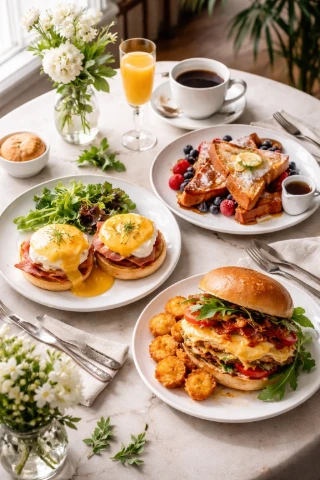
There's a reason certain dishes keep showing up every weekend, year after year, on menus from corner diners to upscale hotel restaurants. Eggs Benedict, French toast, a well-built breakfast sandwich – these aren't still around because nobody has thought of anything better. They endure because they work, and they work every time.
A great brunch menu needs range. You want something rich and unapologetically indulgent, something savoury and grounding, something egg-based that can flex from simple to showstopping, something handheld for the table that doesn't want to commit to a full plate, and something comfort-forward that feels like a reward. Classics cover all of that naturally. They don't need to be reinvented to stay relevant – they just need to be done well.
What separates a memorable brunch from a forgettable one usually has nothing to do with originality. It's execution. It's the temperature of the hollandaise, the crunch of the right bread under a fried egg, the contrast between something creamy and something sharp on the same plate. A poutine-style comfort plate hits differently when the gravy is hot and the cheese curds still have some give. French toast goes from ordinary to genuinely good the moment you use brioche and let it soak long enough. Small decisions, big difference.
Classics also survive because they welcome variation without losing their identity. Swap the protein in your Eggs Benedict, add kimchi to your breakfast sandwich, pile roasted vegetables into a frittata – the dish still makes sense. That flexibility is exactly why home cooks and professional chefs both keep returning to them.
This article looks at the staples worth knowing: the egg dishes, the toasts, the sandwiches, the comfort plates. Not to celebrate nostalgia, but to understand what actually makes each one great – and how to get there yourself.
Eggs Every Way – The Backbone of Brunch
No dish on the brunch table gets judged more quickly than eggs. One rubbery scramble or a poached egg that's gone cold before it reaches you, and the whole meal loses its footing. There's no hiding a poorly cooked egg behind a sauce or a garnish. That's exactly why they remain the truest test of a good brunch kitchen.
Scrambled and Fried
Soft scrambled eggs need low heat and patience. Pull them off the burner while they still look slightly underdone, and they'll finish perfectly on the plate. The mistake most home cooks make is rushing them on high heat, which turns silky curds into something closer to dry foam. A fried egg earns its place when the white is fully set, the edges are just lightly crisp, and the yolk still runs. Serve it on thick, properly toasted bread, and it barely needs anything else.
Poached Eggs and Eggs Benedict
Poaching is where timing really matters. Fresh eggs hold their shape; older ones spread and fray. A well-poached egg should have a tender white with a yolk that gives when you press it gently. Eggs Benedict lives or dies by its hollandaise. A good version is warm, buttery, and bright with lemon. A watery or broken hollandaise turns the whole plate into a disappointment, no matter how well everything else is cooked.
Omelettes, Frittatas, and Quiche
An omelette done right is fast, barely golden outside, and still slightly soft in the centre. Overfill it and it falls apart. A frittata is more forgiving since it finishes in the oven, which makes it a smart choice when you're feeding a group. Quiche sits in similar territory but adds a pastry shell, which means the filling needs to be seasoned well enough to carry the whole slice. Bland quiche is one of brunch's most common disappointments.
Shakshuka-Style Plates
Eggs baked or simmered in a spiced tomato sauce have earned a permanent spot on weekend menus. The appeal is obvious: one pan, bold flavour, and eggs that stay warm in the sauce while you're still setting the table. Season the base generously and don't skip the fresh herbs at the end.
French Toast and Sweet Brunch Staples That Feel Worth Waking Up For
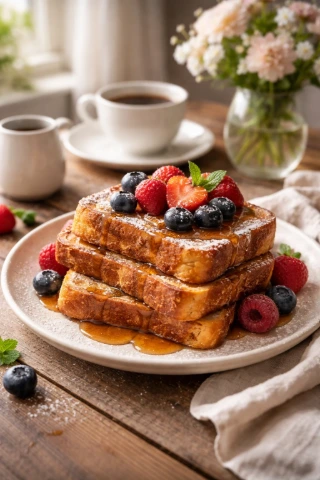
There's a reason sweet classics keep showing up on brunch menus decade after decade. Comfort is hard to argue with, and when the textures are right, a plate of French toast can feel like the whole point of the weekend.
Why French Toast Earns Its Place at the Top
Thick-cut brioche or challah is where it starts. Both breads have enough structure to soak up the egg custard without collapsing, and enough richness to carry the flavour once they hit the pan. The custard itself matters too. Eggs, cream or whole milk, a pinch of salt, a little vanilla, maybe cinnamon. Simple, but the ratio has to be right. Too much egg and the centre tastes rubbery. Too little cream and you lose that soft, yielding middle that makes the whole thing worthwhile.
Browning is the other part people underestimate. Real butter in a hot pan, cooked long enough to get genuine colour on both sides. That slight crispness at the edge is what creates contrast against the custardy centre, and without it, you're just eating soggy bread. A good slice should hold its shape when you cut into it, not deflate.
Where Toppings Go Wrong
Restraint is genuinely underrated here. Fresh berries, a light dusting of powdered sugar, or a small pour of real maple syrup can finish the dish beautifully. Piling on whipped cream, compote, chocolate drizzle, and candied nuts all at once buries the toast itself. The bread did the work. The toppings should support it, not compete.
Pancakes and waffles earn their spot on any brunch table too, but they live or die by similar rules. Crisp waffle edges, fluffy pancake centres, toppings used with a light hand. The sweet classics never really go out of style because they deliver something reliable. A little indulgence, a familiar warmth, and a portion that feels generous without leaving you horizontal for the rest of the morning.
Breakfast Sandwiches and Poutine-Style Plates Bring the Comfort Factor
Few things at a brunch table land harder than a well-built sandwich or a plate of loaded fries. These are the dishes people actually get excited about. They're filling, unapologetically indulgent, and when done right, they make the whole meal feel like an event.
Building a Breakfast Sandwich That Holds Together
Bread is the foundation, and it has to earn its place. A brioche bun brings richness. A buttermilk biscuit adds flaky, buttery contrast. A toasted English muffin keeps things tight and structured. What you don't want is a soft sandwich roll that collapses the moment it meets a runny egg. That's the most common failure point, and it ruins everything downstream.
The egg matters too. Folded eggs work well in a tight build. A fried egg with a just-set yolk adds drama but needs a sturdy base to catch the run. Crisp bacon or a seared sausage patty brings the salt and fat, and melty cheese, something like American, aged cheddar, or gruyère, ties the layers together. A punchy sauce finishes it. Hot honey, chipotle mayo, or a sharp mustard aioli all cut through the richness without overwhelming the other flavors.
Greasy, soggy sandwiches usually come from skipping the toast or overloading the fillings without considering balance. Every element should pull its weight.
Why Poutine-Style Brunch Plates Work So Well
There's no denying the appeal of crispy potatoes or fries topped with gravy, cheese curds, and a fried egg. The combination hits every comfort note at once. But the details separate a genuinely great plate from a heavy, muddled mess.
Crisp is non-negotiable. Soggy fries under warm gravy turn to mush fast. The gravy needs body without going gluey, and a little acidity, maybe a splash of hot sauce or a scatter of pickled jalapeños, lifts the whole thing. Fresh herbs like chives or flat-leaf parsley add color and cut the fat. Toppings should add texture, not chaos.
Memorable comfort food is precise food. That's what separates a plate people talk about from one they quietly leave half-finished.
How to Tell When a Brunch Classic Is Done Right
A familiar dish can still tell you plenty about the kitchen that made it. Because brunch classics leave little room to hide mistakes, the best versions usually share the same qualities: clear flavours, contrasting textures, proper temperature, and portions that feel satisfying without becoming excessive. You do not need unusual ingredients to make them memorable.
- Texture should change from bite to bite. Crisp toast against a soft egg, browned French toast around a custardy centre, or crunchy potatoes beneath warm gravy keeps a plate interesting. When everything is equally soft, even good flavours quickly become monotonous.
- Richness needs something to balance it. Butter, cheese, eggs, cream, gravy, and cured meat are natural brunch ingredients, but they become tiring without acidity or freshness. Lemon in hollandaise, pickled vegetables beside a sandwich, berries with French toast, or herbs over potatoes can make a heavy plate feel much more balanced.
- Temperature matters more than presentation. Eggs cool quickly, fries lose their crunch under gravy, and butter refuses to melt properly on lukewarm pancakes. A simple plate served at the right temperature will usually beat an elaborate one that has spent too long waiting at the pass.
- Every topping should have a purpose. More ingredients do not automatically make a better brunch. Cheese should add richness, sauce should provide moisture or contrast, and garnishes should contribute flavour rather than simply fill empty space.
- The portion should suit the dish. Brunch can be generous without becoming overwhelming. Oversized plates often lose their appeal halfway through, particularly when every component is rich.
These details explain why apparently simple brunch food can be surprisingly difficult to perfect. The strongest versions are not necessarily the biggest or most inventive. They are the ones where every component arrives as it should, from the crisp edge of the toast to the seasoning in the final spoonful of sauce. When those fundamentals are right, a familiar classic rarely needs anything more.
The Classics Keep Winning for Good Reason
There's a reason the same dishes keep showing up on brunch menus decade after decade. Comfort is consistent. Eggs Benedict, a properly built breakfast sandwich, French toast with real brioche – these aren't still around because nobody's tried to replace them. They're around because they work, and when they're done right, they're genuinely hard to beat.
The gap between a forgettable version and a memorable one usually comes down to the basics. Eggs cooked with actual attention. Hollandaise that's silky and bright, not stodgy and flat. Bread that can hold up to what's stacked on it. Poutine-style comfort plates that hit every note – crispy, saucy, rich – without tipping into a heavy mess. None of that requires reinvention. It requires care.
Flexibility matters too. The best brunch classics bend easily to what you have, what's in season, and who's sitting at the table. A frittata works for six or for two. French toast is just as welcome on a quiet Tuesday as it is at a table full of guests. That adaptability is part of why these dishes travel so well across years and occasions.
What separates a great brunch menu from a generic one isn't a surprising ingredient or a clever twist. It's the sense that someone paid attention – that the toast is warm, the eggs are timed right, the portions feel generous without being overwhelming. Familiar food done exceptionally well lands differently than something technically impressive but cold or rushed. People linger over a plate that feels genuinely satisfying. That's the standard worth chasing. Not novelty, not spectacle – just the kind of food that makes a weekend morning feel like it's exactly where it should be.